If you want your Driggs luxury home to stand out, good bones are not enough. In a market with more choices and longer selling timelines, buyers notice condition, presentation, and pricing right away. The good news is that a thoughtful prep plan can help you protect value and create a stronger first impression. Let’s dive in.
Understand the Driggs market first
Before you paint a room or book a photographer, it helps to know what you are selling into. In March 2026, Teton County was a buyer's market with 382 listings for sale, a median listing price of $995,000, and a median 116 days on market. Driggs specifically had 129 listings for sale, a median listing price of $899,000, and a median 121 days on market.
For luxury sellers, that kind of inventory means buyers often compare several strong options before making a move. It also means aspirational pricing can work against you if the home is not positioned carefully. In this environment, polished condition and accurate pricing matter more than simply aiming high and waiting.
Price for today, not for hope
A standout sale starts with pricing discipline. Recent comparable sales, current competition, days on market, location, condition, and standout features should all shape your list price. For a view property or custom mountain home, those details matter, but they still need to fit what the market is supporting now.
If your ideal timing is still 6 to 18 months away, pricing strategy should begin early. That gives you time to watch competing inventory, make improvements that truly affect value, and launch when the home is ready instead of rushing to market. In a selective market, the best first impression is often a well-priced one.
Build your prep timeline backward
The smoothest sales usually start long before the listing goes live. A practical sequence is to begin with a condition audit, then complete repairs, declutter and stage, schedule photography and video, and launch only when everything is ready. That order helps your marketing reflect the home's best version from day one.
Timing matters in Driggs because exterior presentation has a shorter seasonal window. Frost-date guidance for the area places the last spring frost around June 20 and the first fall frost around September 2. If landscaping, outdoor furniture, exterior touch-ups, or twilight photography are part of your strategy, planning ahead can make a real difference.
A simple prep sequence
- Review the home's current condition room by room
- Make repairs that affect confidence and first impressions
- Deep clean and declutter every space
- Stage key rooms and outdoor living areas
- Schedule professional photography and video
- Finalize disclosures and showing logistics before launch
Fix what buyers notice first
If you are wondering what to fix first, start with the items that shape buyer confidence. Clean finishes, working lights, visible maintenance, uncluttered rooms, and strong exterior presentation usually do more for momentum than highly personal upgrades. Buyers often read deferred maintenance as a sign that bigger issues may be waiting.
In a luxury property, small distractions can feel bigger than they are. Scuffed walls, dated light bulbs, sticking doors, worn caulk, dirty windows, and neglected landscaping can pull attention away from mountain views, natural light, and architectural details. Your goal is to remove friction so buyers can focus on what makes the home special.
Priority areas before listing
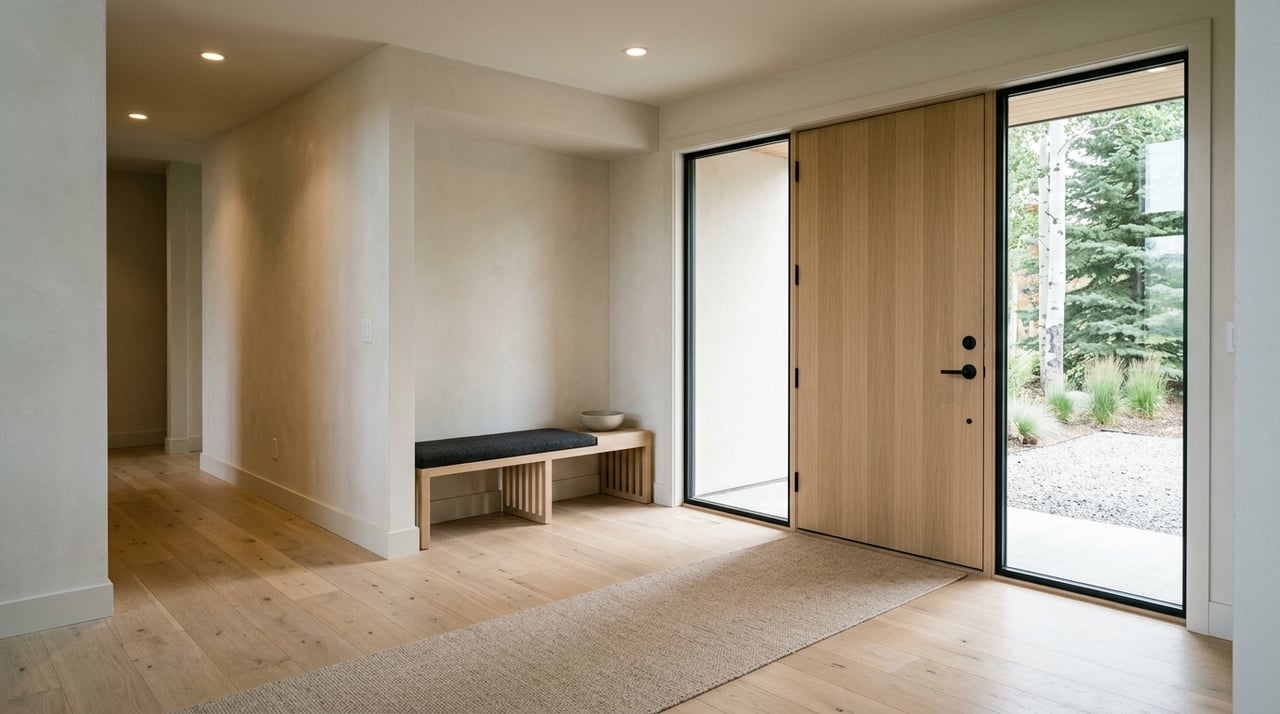
- Entry and approach to the home
- Living room, kitchen, and primary bedroom
- Main bathrooms and lighting throughout
- Windows, glass doors, and view lines
- Decks, patios, and outdoor seating areas
- Any known maintenance concerns that may surface in inspection
Stage for clarity, not clutter
At the luxury level, staging still matters. The National Association of Realtors found that 83% of buyers' agents said staging makes it easier for buyers to visualize a property as their future home. The same research found that 29% of agents reported staged homes received 1% to 10% more in dollar value offered, while 49% of sellers' agents saw reduced time on market.
That does not mean every room needs to look formal or overdesigned. It means the home should feel calm, spacious, and intentional. In Driggs, where buyers may be drawn to scenery, recreation, and a mountain lifestyle, staging should support the setting rather than compete with it.
Focus on the rooms that matter most
NAR's staging research points to the living room, primary bedroom, and kitchen as the most important spaces to stage. These rooms often shape how buyers remember the home, both online and in person. If your budget or timeline is limited, start there.
For a custom or view-oriented home, it also makes sense to treat outdoor living as a featured space. A deck with a clean layout, comfortable furniture, and a clear sightline can help buyers connect the home to the surrounding landscape. That story matters in a place like Driggs.
Make the view a selling feature
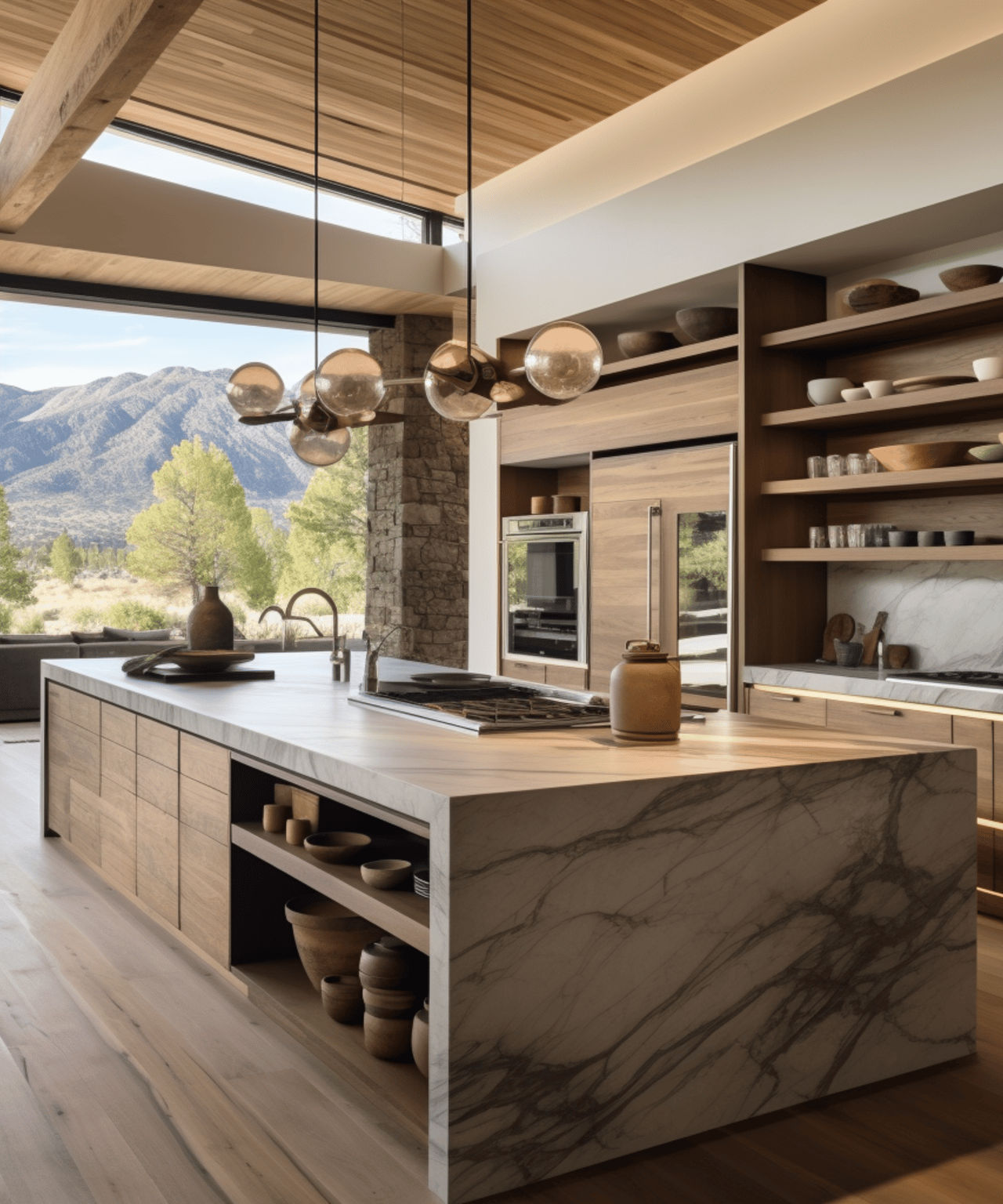
In many Driggs luxury listings, the setting is not just a bonus. It is one of the main reasons a buyer books a showing in the first place. That means your prep should frame the view, outdoor living areas, and indoor-outdoor flow as primary features, not background details.
Simple choices can help. Trim landscaping that blocks sightlines, clean exterior glass thoroughly, and arrange furniture so windows and doors feel like focal points. Inside, avoid heavy decor that competes with the natural setting. Outside, define seating and dining areas so buyers can picture how the property lives in different seasons.
Prepare for photos and video carefully
Online presentation carries serious weight, especially in a market where many buyers begin from afar. High-resolution photos and video tours are essential, and the camera tends to magnify clutter, dark corners, and awkward furniture placement. What looks acceptable in daily life may not read well online.
Before the shoot, make the home spotless, open blinds for natural light, reduce extra furniture so rooms feel larger, and remove personal visual clutter. Even details like refrigerator magnets can distract in listing photos. The goal is not to make your home feel empty. It is to make it feel clean, open, and easy to understand.
If you use virtual staging
Virtual staging can be useful, but accuracy matters. If photo enhancements materially alter the property, they should be disclosed so buyers have a true picture of the home. In a luxury sale, trust is part of the value proposition.
Create the right showing plan
A beautiful listing can still lose momentum if showings feel difficult or disruptive. Occupied homes need a plan that protects privacy and makes it easier to reset the property quickly. Second homes and vacant homes need a different plan focused on condition, access, and consistency.
If you live in the home, pre-pack personal items, define any no-go areas, and decide how quickly the house can be ready between showings. Sensitive documents, medications, valuables, and firearms should be locked away. Personal photos, calendars, mail, and visible passwords should also be removed before showings begin.
Privacy and access for occupied homes
NAR guidance also notes that sellers can discourage buyer photography through MLS remarks and signage, while using controlled access tools like an electronic lockbox that records entry. That can be especially helpful in a higher-value property where privacy matters. Keep in mind that inspectors, appraisers, repair professionals, and property data collectors may also need access during the sale process.
Give second homes extra attention
Second homes and seasonal properties often need more prep than owners expect. A vacant home can hide leaks, mold, roof damage, or other maintenance issues that are easy to miss when no one is living there daily. A pre-list inspection and professional deep cleaning can help uncover problems before a buyer does.
In Driggs, off-site owners should also confirm practical items before photos or showings begin. Heat, plumbing, drainage, snow removal, housekeeping, and property access all deserve a final check. A luxury buyer expects the home to feel cared for from the moment they arrive.
Off-site owner checklist
- Confirm utilities and heat are working properly
- Check for leaks, moisture, and roof concerns
- Verify driveways and walkways are accessible
- Schedule a deep clean before photography
- Refresh linens, towels, and basic staging items if furnished
- Inspect decks, exterior lighting, and entry points
Handle disclosures early
Preparing for sale is not only about cosmetics. It is also the right time to identify known issues and assemble a clean disclosure packet. The Idaho Real Estate Commission points consumers to the Idaho Property Condition Disclosure Act, and it regulates licensees around failures to disclose adverse material facts.
For you as a seller, the takeaway is simple. Known issues are easier to manage before launch than during negotiation. Early clarity can help reduce delays, inspection surprises, and last-minute renegotiation.
Older homes and lead-based paint
If your home was built before 1978, federal law requires disclosure of known lead-based paint information, sharing any available records or reports, providing the EPA pamphlet, including a lead warning statement, and allowing buyers a 10-day window to test for lead-based paint hazards. Sellers are not required to inspect for lead before listing. If this applies to your property, it is best handled before the home hits the market.
Why polished prep matters more now
In a faster market, buyers may overlook minor flaws if inventory is tight. In a market with more choice and longer timelines, details matter more. Buyers compare condition, presentation, pricing, and ease of showing across multiple listings, and they often make assumptions quickly.
That is why standout sales tend to come from a coordinated plan rather than a rushed one. When your home is priced for current conditions, presented with care, and launched with strong visuals and clean logistics, you give buyers more reasons to act with confidence.
If you are thinking about selling a luxury home in Driggs, the best next step is a clear, property-specific plan. For hands-on guidance with pricing, preparation, and polished presentation, connect with Mel Bernstein - Grand Teton Team.
FAQs
What matters most when preparing a Driggs luxury home for sale?
- The biggest priorities are accurate pricing, visible upkeep, strong presentation, and high-quality photography. In Driggs, buyers often compare several listings, so first impressions and buyer confidence matter.
Does staging really help a higher-end Driggs listing?
- Yes. NAR research found that staging helps buyers visualize the home, and many agents reported stronger offers and reduced time on market for staged homes.
Which rooms should I stage first in a Driggs luxury home?
- Start with the living room, primary bedroom, and kitchen. If your home has strong views or outdoor living space, those areas should also be prepared as featured spaces.
How should I prepare an occupied Driggs home for showings?
- Remove personal and sensitive items, lock up valuables and medications, and create a simple reset routine so the home can be show-ready quickly. Controlled access and clear privacy steps are also important.
What should off-site owners check before listing a Driggs second home?
- Confirm utilities, heat, plumbing, drainage, access, cleaning, and any signs of leaks or roof issues. Vacant homes can hide problems that are easier to address before marketing begins.
What disclosures should sellers handle before listing a Driggs home?
- Sellers should identify known issues early and prepare for Idaho property condition disclosures. If the home was built before 1978, lead-based paint disclosure rules should also be addressed before launch.